Branding costs in the UK vary because a logo project, a complete visual identity and a strategic rebrand involve very different levels of work. Pricing is usually affected by research, strategy, the number of deliverables, applications, revisions and rollout requirements. The right way to compare branding quotes is therefore by scope and outcome, not price alone.
If you are planning a new brand or considering a rebrand, one of the first questions is usually simple: how much should professional branding actually cost?
The less simple answer is that branding does not have one fixed price.
A business looking for a logo and a basic visual identity is buying something very different from a company that needs research, positioning, messaging, a complete identity system, brand guidelines and a rollout across its website, packaging, signage and marketing.
That difference in scope is why branding quotes can vary so widely.
Current UK pricing guides published in [pewne] 2026 show substantial differences between providers. [niepewne] Entry level professional identity packages can begin in the low thousands of pounds, while comprehensive strategy led branding and rebranding projects can reach [niepewne] £10,000, £20,000, £50,000 or considerably more depending on the organisation and scope. Creatif Agency
The useful question is therefore not simply, “How much does branding cost?”
It is:
What am I actually getting for the investment?
Why do branding prices vary so much?
Two proposals may both say “brand identity”, yet include completely different amounts of work.
One might include a logo, colours and typography.
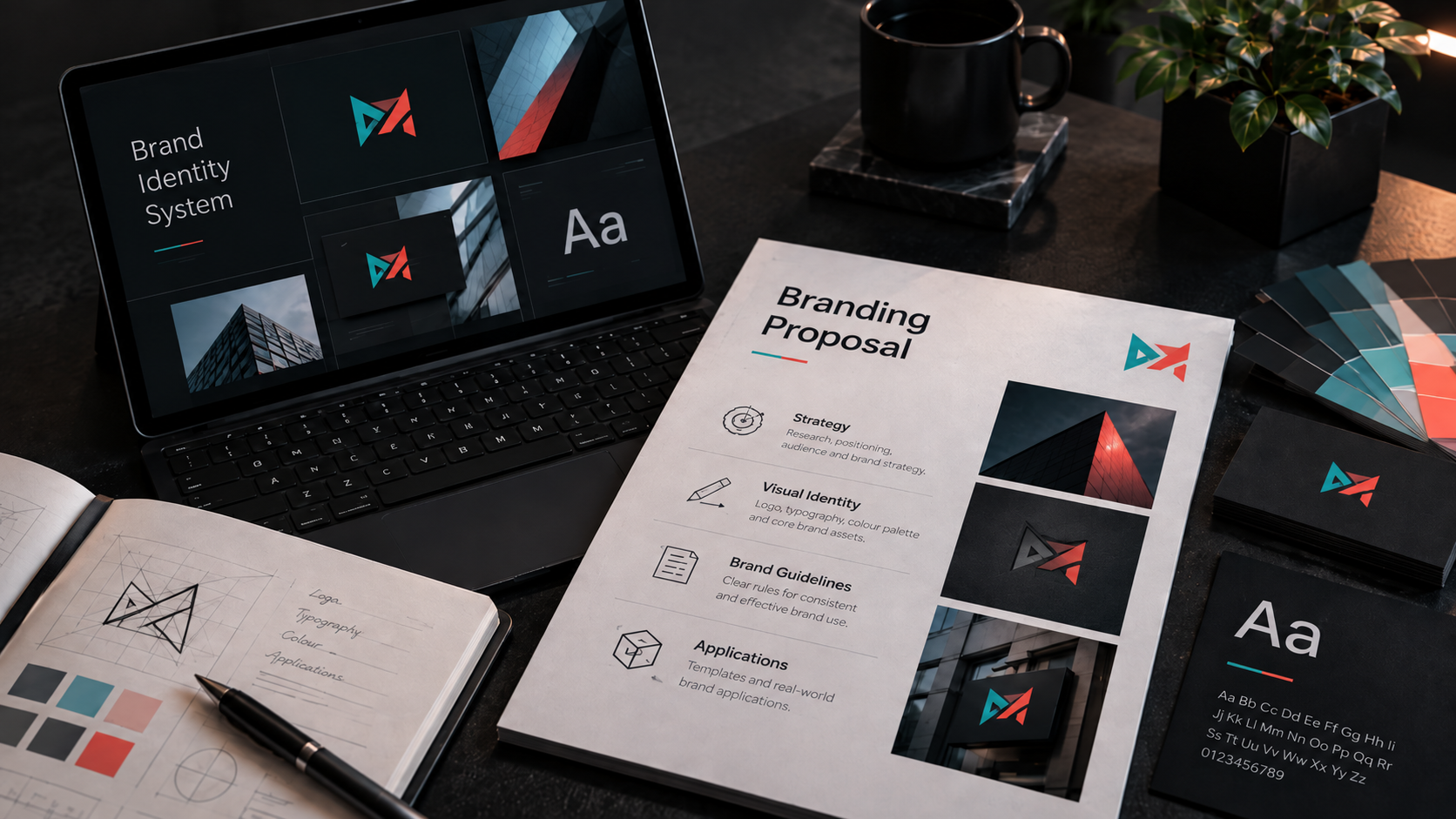
Another might begin with research into your business, customers and competitors, then develop positioning, messaging, visual identity, guidelines and the assets needed to introduce the new brand consistently.
Both may technically be branding projects, but they solve different problems.
Before comparing prices, compare scope.
What are you actually paying for?
Professional branding normally involves more than drawing a logo.
The work may begin by understanding the business itself. What does it offer? Who is it trying to reach? How should it be positioned? What makes it different from competitors? What should customers understand or feel when they encounter it?
Those decisions influence the visual work that follows.
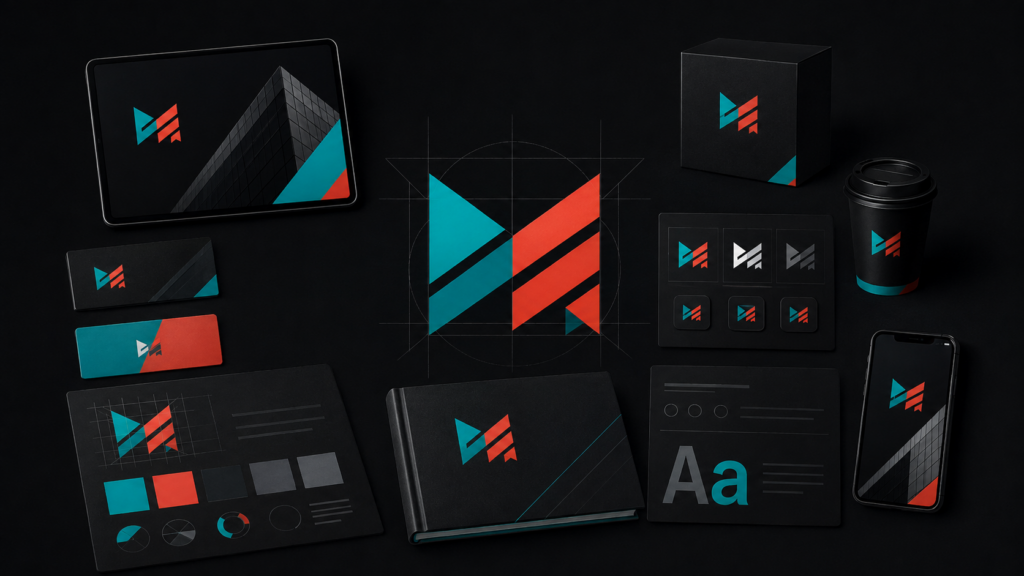
The identity can then include the logo system, colour palette, typography, graphic elements, imagery direction and rules for how everything should work together.
A more extensive project may also include messaging, tone of voice, social media assets, stationery, packaging, signage, website direction or other practical applications.
This is why it is important to understand what a good brand identity actually includes before comparing quotes purely by price.
Logo design and brand identity are different investments
A logo is an important brand asset, but it is only one part of an identity.
If a business only needs a professional mark for a simple operation, a focused logo project may be sufficient.
But if the identity needs to work across a website, social media, printed material, vehicles, uniforms, packaging or signage, a logo alone often leaves too many unanswered questions.
Which colours should be used?
Which fonts?
How should photography look?
How should the logo behave on different backgrounds?
What happens when another designer, printer or marketing company needs to use the brand?
A proper identity system answers those questions before inconsistencies begin appearing.
What Affects Branding Cost in the UK?
The cost of branding depends largely on the scope of the project and how much strategic and practical work is required. Before comparing quotes, it helps to understand which parts of a branding project usually have the biggest impact on the final price.
| Factor | Why it affects the cost |
|---|---|
| Research and strategy | More discovery, competitor research and positioning require additional specialist time. |
| Identity complexity | A complete visual identity system requires more development than a standalone logo. |
| Number of deliverables | Additional brand assets increase the overall project scope. |
| Brand applications | Packaging, signage, websites, social media and print materials require further design work. |
| Brand guidelines | More detailed documentation takes additional time to develop and prepare. |
| Rollout and implementation | Applying a new identity across existing materials increases the amount of work involved. |
This is why two branding proposals with very different prices may both be reasonable, provided the scope and expected outcome are also different.
What usually increases the cost of a branding project?
The biggest factor is scope.
Research and strategy require additional work before design begins. A business operating in a competitive market may need deeper competitor and audience analysis than a small local company with a straightforward offer.
The number of applications also matters.
Creating an identity is one stage. Preparing that identity for a website, packaging, signage, marketing materials and other customer touchpoints can significantly expand the project.
Complexity also increases when a company has multiple services, audiences, locations or sub brands.
Finally, the level of documentation matters. Detailed brand guidelines require more work than a simple page containing colours and fonts, but they can make the brand much easier to manage after launch.
Should you choose the cheapest branding quote?
Price should be considered, but comparing branding quotes purely on the final number can be misleading.
A cheaper quote may genuinely be the right choice if the scope is smaller and that is all the business requires.
The problem appears when two quotes look similar on the surface but contain very different deliverables.
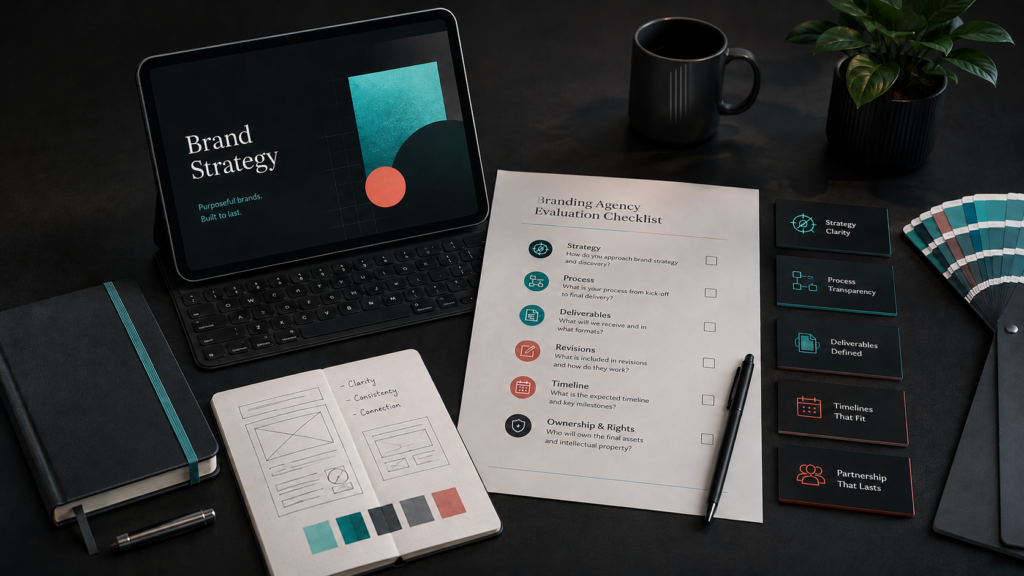
Before choosing, check exactly what is included, how the agency approaches research and strategy, how revisions work, which files you receive and what support is available after the project.
We covered these questions in more detail in What Questions Should I Ask Before Hiring a Branding Agency?
When can a cheaper project make sense?
Not every business needs a large branding programme.
A new company testing an idea may need a strong, simple identity that gives it enough consistency to launch professionally.
Investing heavily in a complex brand system before the business model is proven may not make commercial sense.
The requirements change when the brand already has customers, reputation and several communication channels.
At that point, decisions about identity can affect much more than a logo. They can influence a website, advertising, signage, packaging, sales material and how existing customers recognise the business.
The right scope should reflect what the business actually needs now and where it expects to go next.
How should you compare branding proposals?
Start with the problem you need the branding to solve.
Then compare what each proposal does to solve it.
Look at the discovery process, strategy, number of concepts, visual identity system, guidelines, final files, applications, revisions and post project support.
Also check the agency’s previous work and whether it can explain the reasoning behind its design decisions.
A strong portfolio is useful, but understanding the process behind the work tells you much more about what your own project may involve.
If you are evaluating potential suppliers, our guide How Do I Know If a Logo Design Company Is Actually Good? covers several warning signs and useful checks.
How Magic Three approaches branding projects
At Magic Three, we look at branding in the context of how the business will actually use it.
An identity may need to work on a website today, but later appear on printed materials, advertising, packaging, uniforms, signage or physical spaces.
Thinking about those applications early helps avoid building an identity that looks good in a presentation but becomes difficult to use in the real world.
The scope should also match the business.
Some companies need a focused visual identity. Others need deeper work around positioning, consistency and how the brand communicates across several channels.
Understanding that difference comes before deciding what should be designed.
Is professional branding worth the investment?
Branding should have a business purpose.
A new identity may help a company present itself more consistently, communicate its offer more clearly, support expansion into a different market or bring an outdated visual presence closer to the quality of the actual business.
But redesigning a brand simply because somebody is bored with the current logo is a weak reason to invest.
Before spending money, identify what needs to change and why.
That gives both the business and the branding agency a much better foundation for deciding the appropriate scope.
How much should your business spend on branding?
There is no universal figure that applies to every business.
The useful budget is the one that matches the problem, the required deliverables and the importance of the brand across your customer journey.
Instead of starting with “What is the cheapest branding package?”, start with:
What does the business need the new brand to achieve?
Once that is clear, it becomes much easier to judge whether a proposal represents good value.
Frequently Asked Questions
How much does a branding agency cost in the UK?
There is no standard UK agency rate. Pricing depends on research, strategy, identity development, deliverables and rollout requirements. A focused identity project and a complete strategic rebrand can therefore have very different budgets.
Is a logo included in branding?
Usually, yes. A visual identity commonly includes a logo system alongside colour, typography and other visual elements. The exact deliverables should always be confirmed before the project begins.
Is branding the same as a logo?
No. A logo is one component of a brand identity. Branding can also include positioning, messaging, visual systems, tone of voice, guidelines and how the business presents itself across different customer touchpoints.
Do small businesses need a full rebrand?
Not necessarily. Some businesses need a focused identity or brand refresh rather than a complete rebrand. The decision should depend on what is currently limiting the business and what needs to change.
Not sure what level of branding your business needs?
Before investing in a new identity, it helps to understand what is working, what is inconsistent and where the biggest opportunity actually sits.
Request a Business Growth Review and we can look at your current brand, website and wider business presence before deciding what should come next.